Your trusted partner in flooring solutions across Singapore
Cozypowerboard began operations in 2015 when a group of construction specialists recognized a gap in the Singapore market for honest, detailed guidance on ground floor flooring choices. Starting from a modest workshop in Geylang, we focused on helping homeowners and property developers understand the real differences between polished concrete and traditional tiles.
Our founders brought together 18 years of combined experience in commercial and residential flooring projects. What started as consultations for three HDB estates has grown into serving over 200 properties annually across Singapore, from Tampines to Jurong West.

We provide transparent information and practical installation services for ground floor spaces. Our approach centers on presenting factual comparisons between flooring options, backed by local climate data and real project outcomes from Singapore properties.
We share actual cost breakdowns, maintenance schedules, and durability data from completed projects. No hidden fees or vague estimates.
Our recommendations are based on substrate testing, humidity measurements, and load calculations specific to each property.
We understand Singapore's building codes, HDB regulations, and tropical climate challenges that affect flooring performance.
Our team includes 7 certified flooring installers and 2 material engineers. We've completed installations in residential units, retail spaces, and light industrial facilities. Each project adds to our database of performance metrics, which we use to refine our material selection process and installation techniques. We work with suppliers who meet Singapore's building material standards and provide documented product specifications for every installation.
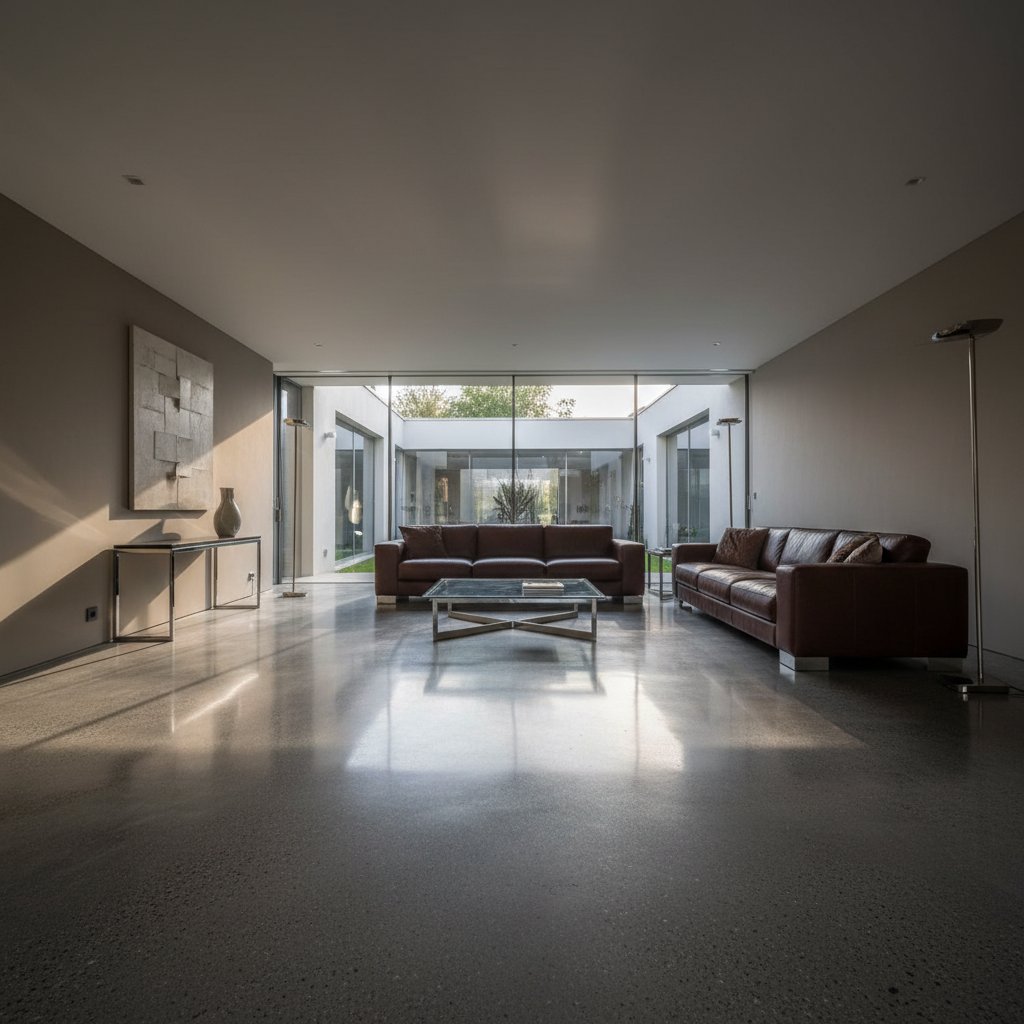
We've transformed numerous ground floor spaces across Singapore with both polished concrete and tile installations. Each project showcases our commitment to quality workmanship and attention to detail.
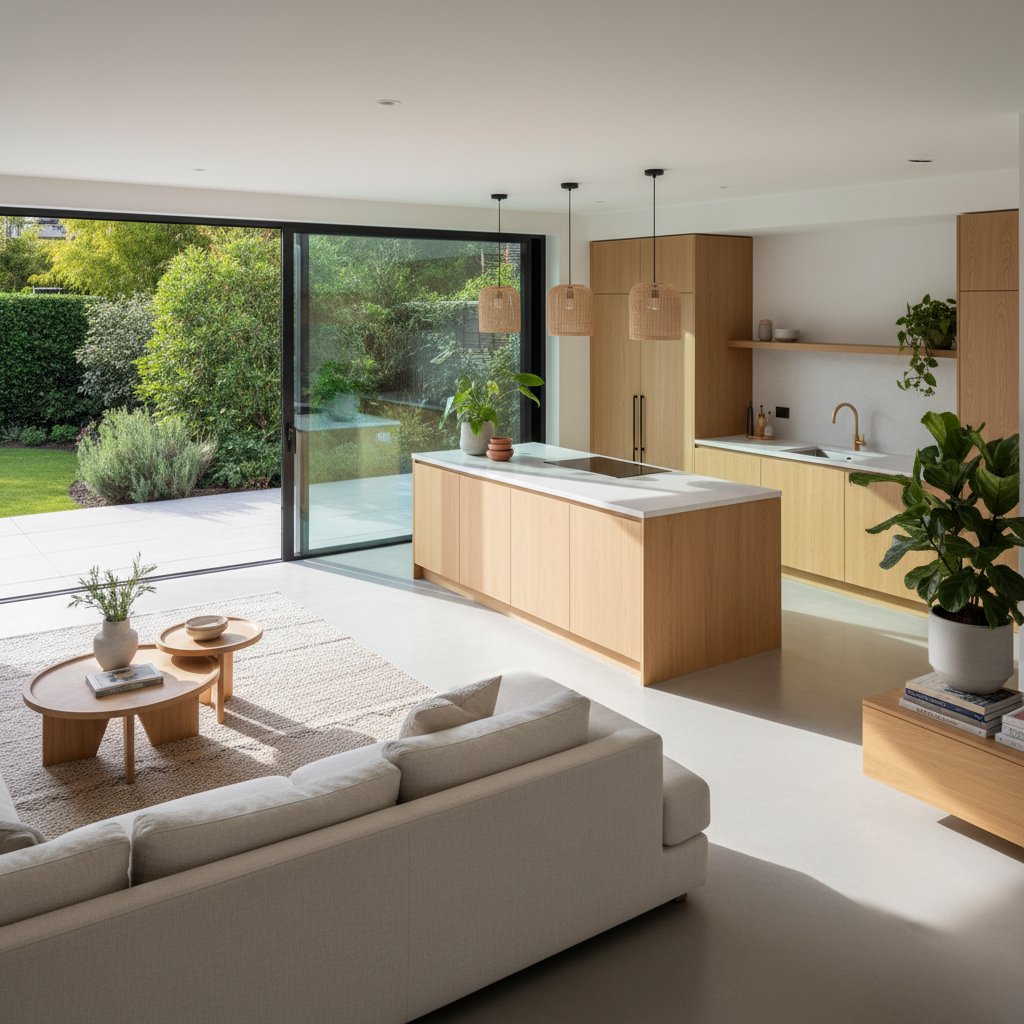
A 180 sqm ground floor renovation featuring mechanically polished concrete with aggregate exposure. The homeowners wanted a seamless, low-maintenance surface that would complement their minimalist interior design while providing excellent durability for high foot traffic areas.
View Details →
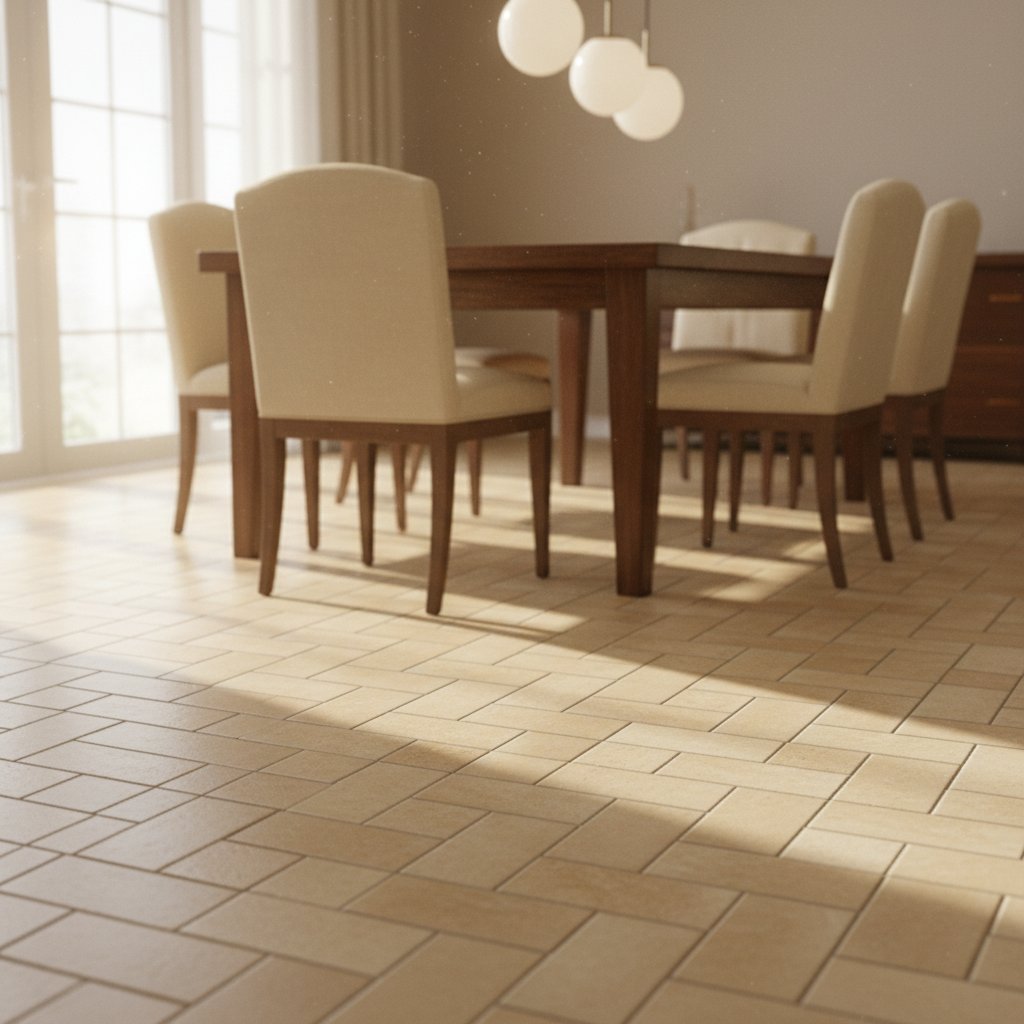
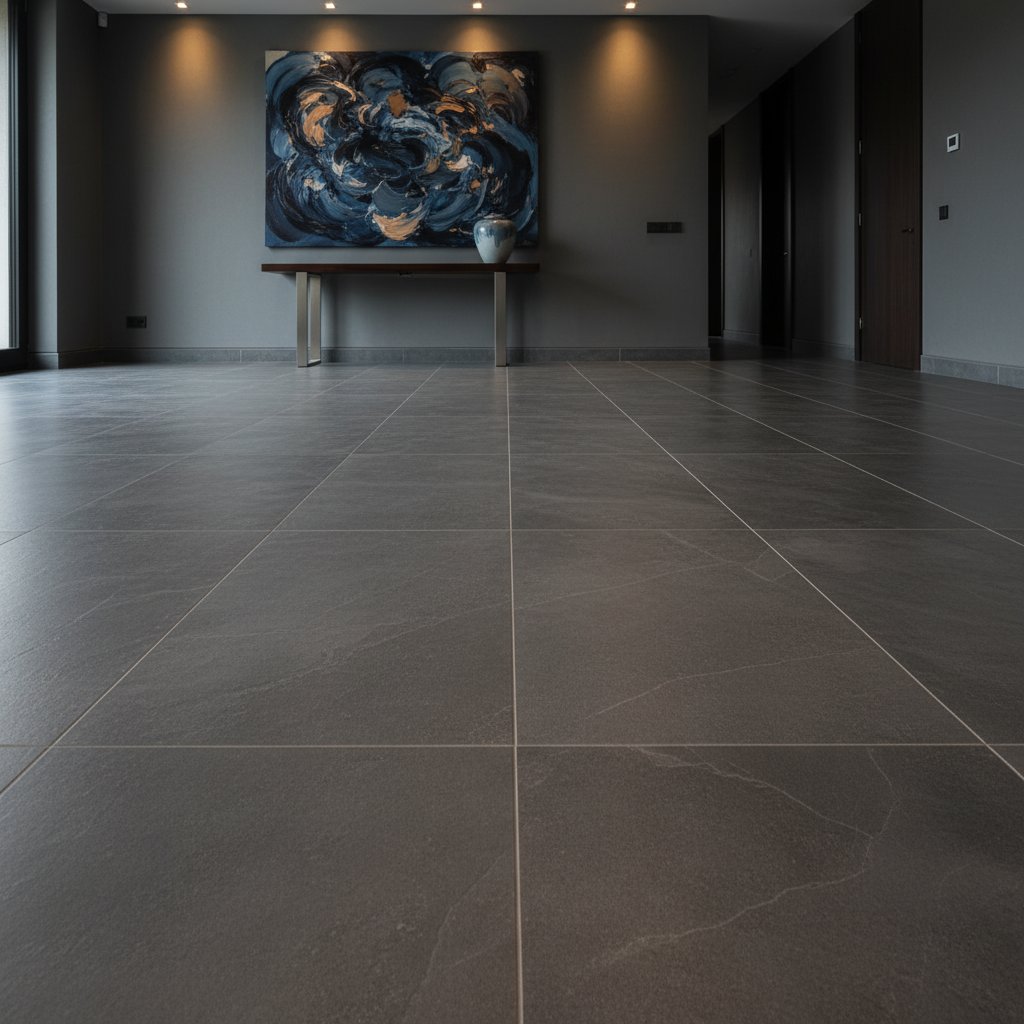
Complete ground floor tiling using 600x600mm porcelain tiles with anti-slip rating R11. This heritage shophouse required a balance between traditional aesthetics and modern performance standards. We installed rectified tiles with minimal grout lines for a contemporary look while maintaining the building's character.
View Details →
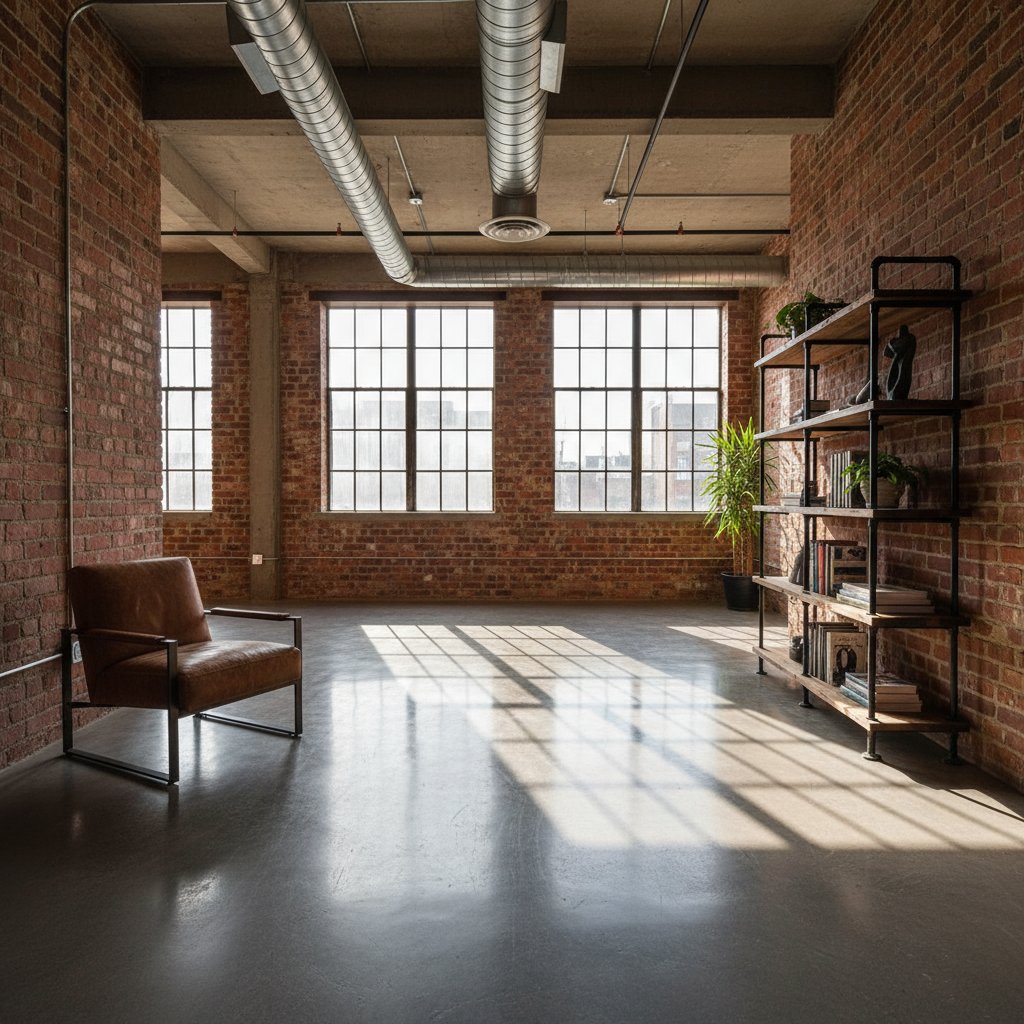
A 450 sqm warehouse floor treated with densifier and sealed with lithium silicate. The client needed a dust-proof, chemical-resistant surface capable of handling forklift traffic. We achieved a medium-gloss finish that reflects light effectively, improving workplace visibility and reducing lighting costs by approximately 15%.
View Details →
Kitchen and living area renovation using ceramic tiles with wood-effect finish. The family wanted the warmth of wood appearance with the practicality of tiles. We installed 200x1200mm planks with staggered layout, creating a natural wood floor look that's waterproof and easy to clean.
View Details →
A 280 sqm boutique combining polished concrete in the main display area with decorative tiles in the entrance zone. This approach created distinct zones while maintaining visual flow. The concrete provides durability for heavy traffic, while patterned tiles at the entrance add visual interest and brand identity.
View Details →
Luxury ground floor installation featuring polished concrete with custom scoring patterns and integral color. The 320 sqm project included outdoor patio areas with exposed aggregate finish for slip resistance. We used a two-tone color scheme to define different functional zones without physical barriers.
View Details →Understanding the practical differences between concrete and tile flooring helps you make an informed decision for your Singapore home or commercial space.
Concrete floors can last 30-40 years with proper maintenance, while ceramic tiles typically serve 15-25 years before requiring replacement. The monolithic structure of concrete eliminates grout lines that weaken over time, reducing long-term maintenance needs in high-traffic areas.
In Singapore, ceramic tile installation ranges from SGD 15-35 per square foot including materials and labor. Polished concrete typically costs SGD 8-20 per square foot for basic finishes, though decorative options can reach SGD 25-40 depending on complexity and aggregate exposure levels.
Sealed concrete provides superior moisture barrier properties, particularly important in Singapore's humid climate. Traditional tiles depend on grout integrity, which can absorb moisture and harbor mold growth. Concrete's seamless surface eliminates these vulnerable points entirely.
Concrete floors withstand heavy impacts without cracking when properly installed with adequate substrate preparation. Individual tiles can crack or chip from dropped objects, requiring selective replacement. The compressive strength of concrete typically exceeds 3000 PSI after curing, compared to ceramic's 250-400 PSI rating.
Concrete's thermal mass helps regulate indoor temperatures, absorbing heat during the day and releasing it gradually. This characteristic reduces air conditioning costs in Singapore's tropical environment. Tiles offer less thermal storage capacity, though porcelain varieties provide moderate temperature stability.
Sealed concrete needs resealing every 2-3 years and regular cleaning with pH-neutral solutions. Tiled floors require grout cleaning, periodic regrouting every 5-8 years, and individual tile replacement when damaged. Daily maintenance for concrete involves simple sweeping and occasional damp mopping.
Concrete accepts various finishing techniques including acid staining, dye application, scoring patterns, and aggregate exposure. Tiles offer immediate pattern variety through size, color, and layout combinations. Both materials accommodate underfloor heating systems, though installation methods differ significantly.
Tile installation for a 100 square meter space typically takes 5-7 days including substrate preparation and grouting time. Concrete polishing requires 3-5 days for grinding, densifying, and sealing processes. However, concrete needs 28 days for complete curing before applying heavy loads or furniture.
Utilizing existing concrete slabs reduces material waste and embodied energy compared to installing new tile layers. Ceramic tile production requires high-temperature kiln firing, consuming significant energy. Concrete polishing generates dust that requires proper containment, while tile cutting produces ceramic waste requiring disposal.
Surface damage to concrete can be patched and repolished to blend with surrounding areas, though matching existing finishes requires skill. Damaged tiles need complete removal and replacement, with color matching challenges for discontinued products. Structural cracks in either material indicate underlying foundation issues requiring professional assessment.
Real numbers from 6 years of flooring installations across residential and commercial properties in Singapore