Frequently Asked Questions

Get answers to common questions about flooring choices for ground floor spaces in Singapore

Polished concrete can last 20-30 years or more with proper maintenance, while ceramic tiles typically last 15-20 years. The longevity of concrete comes from its monolithic structure, which eliminates grout lines that can deteriorate over time. In Singapore's humid climate, this becomes particularly relevant as moisture cannot penetrate between joints.

Tiles may require replacement sooner if individual pieces crack or if grout deteriorates from constant exposure to humidity and cleaning. Concrete surfaces can be repolished to restore their appearance, extending their lifespan significantly. For ground floor applications where foot traffic is constant, concrete's durability provides better long-term value despite similar initial installation periods.

In Singapore, polished concrete installation typically ranges from S$45-85 per square meter, depending on the finish level and existing substrate condition. Traditional ceramic tiles cost S$35-70 per square meter for materials and installation, while premium porcelain tiles can reach S$80-150 per square meter.

However, concrete eliminates ongoing grout maintenance costs and replacement expenses that tiles incur. When calculating total ownership over 15 years, concrete often proves more economical. The initial investment difference narrows when considering that concrete requires no grout replacement, fewer repairs, and simpler cleaning routines. For ground floor spaces exceeding 100 square meters, the cost advantage of concrete becomes more pronounced due to reduced labor complexity and faster installation times.

Polished concrete performs exceptionally well in humid conditions because it has no grout lines where moisture and mold can accumulate. Singapore's average humidity of 84% makes grout maintenance challenging, as it absorbs moisture and becomes a breeding ground for mildew. Concrete's sealed surface repels water and prevents moisture penetration.

Tiles themselves resist humidity, but the grout joints require regular sealing and cleaning to prevent discoloration and mold growth. Ground floor spaces are particularly vulnerable to moisture rising from the substrate. Concrete's monolithic nature and proper sealing create an effective moisture barrier. The material also doesn't trap humidity between layers, reducing the risk of subsurface moisture problems that can cause tiles to lift or crack over time.

Polished concrete requires significantly less maintenance than tiles. Daily cleaning involves simple mopping with pH-neutral cleaners, and the surface needs resealing every 2-3 years. There are no grout lines to scrub, no individual pieces to replace, and no joints to reseal annually.

Tiled floors demand regular grout cleaning to prevent staining and mold, grout resealing every 6-12 months in humid environments, and occasional tile replacement when pieces crack. The labor involved in maintaining grout lines adds up over years. For commercial ground floor spaces or busy residential areas, concrete's maintenance simplicity translates to lower ongoing costs and less disruption. A 150 square meter ground floor space can save approximately 15-20 hours annually in maintenance time by choosing concrete over tiles.

Both materials can achieve appropriate slip resistance for ground floor applications, but the approach differs. Polished concrete can be finished to various levels, from high-gloss (which may be slippery when wet) to matte finishes with better traction. Adding a penetrating sealer with slip-resistant additives maintains the aesthetic while improving safety.

Tiles offer textured surfaces specifically designed for slip resistance, with ratings from R9 to R13. However, grout lines can become slippery when wet or worn smooth over time. For Singapore's climate where floors may be wet from rain or cleaning, both options can meet safety standards. Concrete provides more flexibility in adjusting slip resistance without changing the floor's appearance, while tiles require selecting the appropriate texture from the start. Ground floor entryways benefit from matte-finished concrete or R11-rated tiles for optimal safety.

Polished concrete installation on an existing concrete slab takes 3-5 days for grinding, polishing, and sealing a 100 square meter area. If pouring new concrete is required, add 7-10 days for curing before polishing begins. The process involves less material handling and creates minimal waste.

Tile installation for the same area typically takes 5-7 days, including substrate preparation, laying tiles, grouting, and final cleaning. The process requires careful planning for layout, cutting around obstacles, and ensuring level placement. Grout needs 24-48 hours to cure before the floor can be used. For ground floor renovations where minimizing downtime matters, concrete on existing slabs offers faster completion. However, both options require proper planning for furniture removal and space access during installation.

Repairing polished concrete involves grinding out damaged areas and repolishing, which costs S$25-40 per square meter for small sections. The challenge lies in matching the sheen level of surrounding areas, though skilled contractors can achieve seamless results. Deep cracks may require filling and repolishing, but the monolithic nature means repairs integrate well with existing surfaces.

Tile repairs require replacing individual pieces, which costs S$15-30 per tile including labor. The difficulty is finding matching tiles, especially if the original batch is discontinued. Color variations between old and new tiles can be noticeable. Replacing a single tile also risks damaging adjacent pieces during removal. For ground floor spaces with heavy furniture or equipment, concrete's ability to be spot-repaired without visible seams provides an advantage. Over a 15-year period, typical repair costs for concrete average 30-40% less than tiles in high-traffic areas.

Both materials stay naturally cool in Singapore's climate, which is beneficial for comfort. Polished concrete has higher thermal mass, meaning it absorbs and releases heat slowly, helping to stabilize indoor temperatures. This property can reduce air conditioning costs by 5-10% in ground floor spaces with good insulation.

Ceramic and porcelain tiles also remain cool to the touch and don't retain heat. The difference is minimal for comfort, but concrete's thermal mass provides slight energy efficiency advantages. In ground floor spaces with large windows or direct sun exposure, concrete's ability to moderate temperature swings becomes more noticeable. Both materials are significantly cooler than carpet or wood, making them suitable for tropical climates. The choice between them for thermal comfort depends more on the overall building design and insulation than the flooring material itself.

Still Have Questions?

Our flooring specialists are ready to help you choose the best option for your ground floor space

Contact Us Today

About Cozypowerboard

Your trusted partner in flooring solutions across Singapore

Cozypowerboard began operations in 2015 when a group of construction specialists recognized a gap in the Singapore market for honest, detailed guidance on ground floor flooring choices. Starting from a modest workshop in Geylang, we focused on helping homeowners and property developers understand the real differences between polished concrete and traditional tiles.

Our founders brought together 18 years of combined experience in commercial and residential flooring projects. What started as consultations for three HDB estates has grown into serving over 200 properties annually across Singapore, from Tampines to Jurong West.

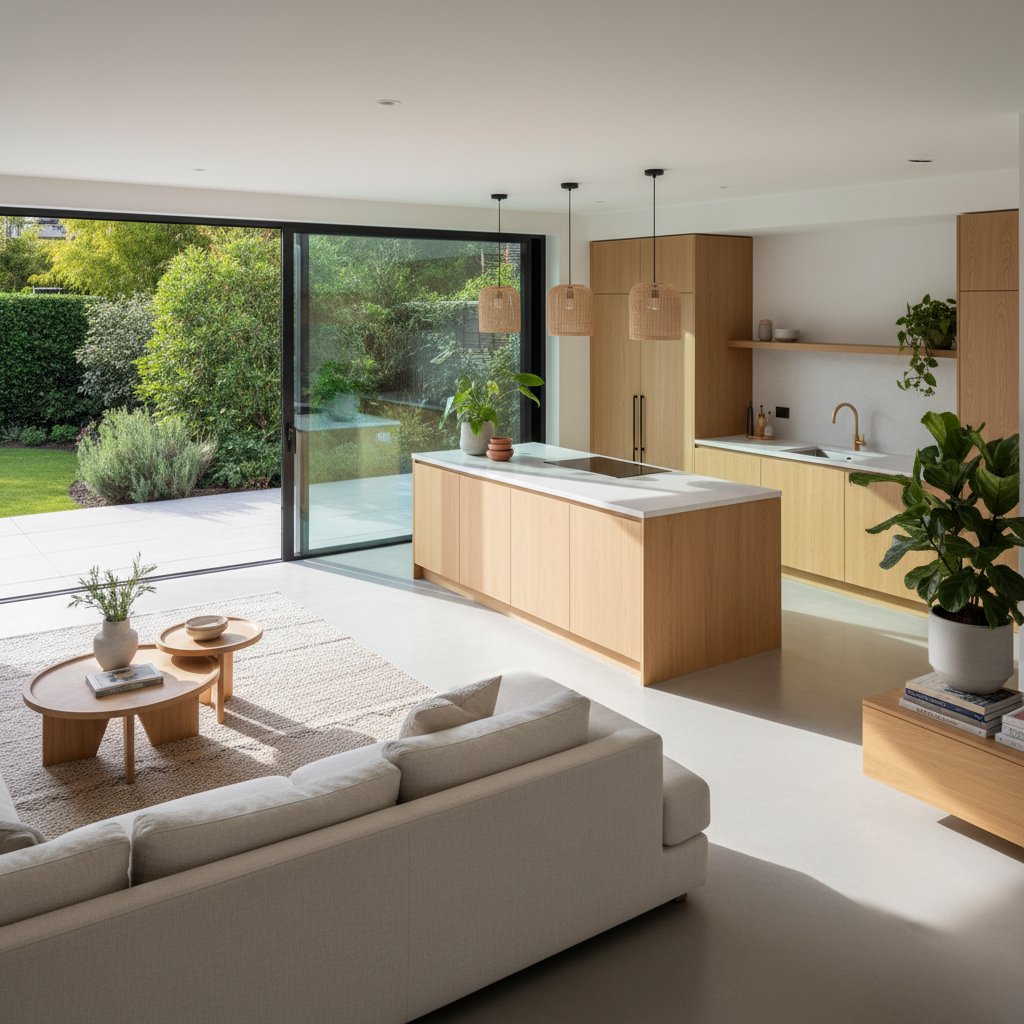
Cozypowerboard flooring installation process
Completed flooring project comparison

Our Mission

We provide transparent information and practical installation services for ground floor spaces. Our approach centers on presenting factual comparisons between flooring options, backed by local climate data and real project outcomes from Singapore properties.

Core Values

Transparency

We share actual cost breakdowns, maintenance schedules, and durability data from completed projects. No hidden fees or vague estimates.

Technical Accuracy

Our recommendations are based on substrate testing, humidity measurements, and load calculations specific to each property.

Local Expertise

We understand Singapore's building codes, HDB regulations, and tropical climate challenges that affect flooring performance.

Experience and Expertise

Our team includes 7 certified flooring installers and 2 material engineers. We've completed installations in residential units, retail spaces, and light industrial facilities. Each project adds to our database of performance metrics, which we use to refine our material selection process and installation techniques. We work with suppliers who meet Singapore's building material standards and provide documented product specifications for every installation.