Polished concrete vs. traditional tiles: Durability and cost for ground floor living: common mistakes that cost you money
The Floor Beneath Your Feet: Why Your Choice Between Concrete and Tiles Matters More Than You Think
You've stripped back your ground floor, ready for a fresh start. Standing in your bare room, you're facing a decision that'll affect your wallet, your maintenance schedule, and honestly, your sanity for the next 20 years. Let me walk you through what most homeowners get wrong—and how to avoid their expensive mistakes.
I've watched too many people rush this decision, seduced by Instagram-worthy photos or a contractor's "trust me" pitch. The truth? Both options have their place, but choosing wrong can cost you £3,000+ in remedial work within five years.
Polished Concrete: The Industrial Darling
The Good Stuff
- Durability that laughs at abuse: Properly sealed concrete floors can last 30+ years without replacement. I've seen commercial spaces with 40-year-old polished concrete that still looks sharp.
- Lower upfront costs (sometimes): If you've got a decent concrete slab already, grinding and polishing runs £40-80 per square metre. That's competitive with mid-range tiles.
- Zero grout lines: No grubby grout to scrub on your hands and knees. Just sweep, mop, done.
- Thermal mass champion: Concrete absorbs heat during the day and releases it slowly. Pair it with underfloor heating and you've got a system that actually reduces energy bills by 15-20%.
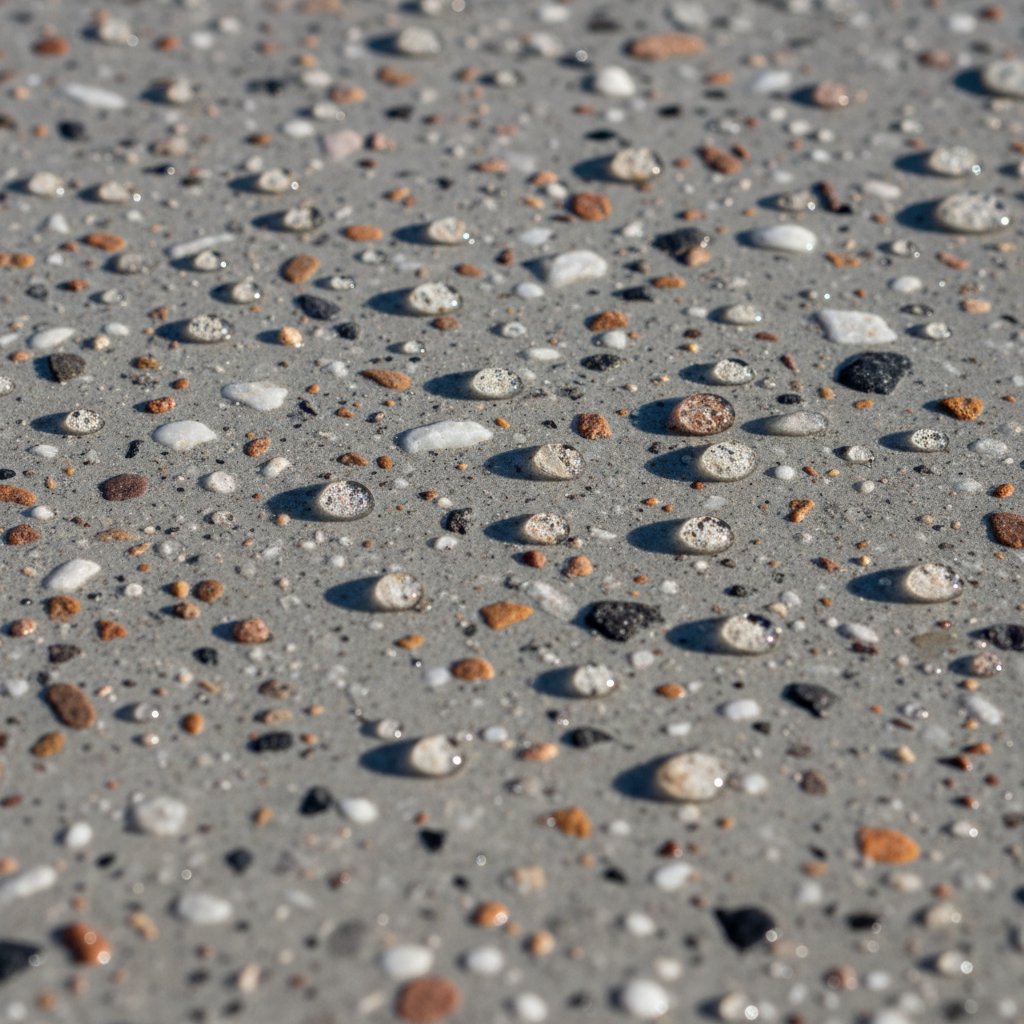
- Unique aesthetic: Each floor develops its own character through the aggregate exposure. You literally cannot replicate it.
The Reality Check
- Hard as, well, concrete: Drop a glass? It's confetti. Stand for hours cooking? Your feet and back will remind you that concrete shows no mercy.
- Cold without heating: That thermal mass cuts both ways. Without underfloor heating, winter mornings feel like walking on a frozen lake.
- Moisture vapor nightmares: Here's where people lose money fast. Skip the moisture barrier test, and you'll see delamination within 18 months. Fixing it? £50-70 per square metre to grind down and re-seal.
- Resealing commitment: Every 2-3 years, you'll need to reseal. Budget £15-25 per square metre. Miss this, and stains become permanent.
- Limited DIY options: You need industrial grinders and diamond pads. This isn't a weekend project unless you're renting equipment and know what you're doing.
Traditional Tiles: The Tried and True
The Good Stuff
- Design flexibility on steroids: Want herringbone porcelain? Moroccan patterns? Wood-effect ceramics? The options are essentially limitless.
- Warmer underfoot: Ceramic and porcelain don't suck heat from your feet like concrete does. They feel noticeably warmer in winter.
- DIY-friendly (ish): Competent DIYers can tile a room. You'll work slowly, but it's achievable. I've done it. My back still remembers.
- Spot repairs possible: Crack one tile? Replace that tile. You don't need to redo the entire floor.
- Proven track record: Tiles have been protecting floors for literally thousands of years. We know exactly how they perform.
The Reality Check
- Grout is your enemy: Those lines will discolor. They'll crack. You'll spend hours scrubbing them, then eventually pay £200-400 for professional grout cleaning or replacement.
- Installation costs bite hard: Professional tiling runs £25-45 per square metre for labor alone, plus £15-150 per square metre for tiles themselves. Premium installations easily hit £200+ per square metre all-in.
- Lippage issues: Cheap installation means uneven tiles. You'll feel every edge, and they'll chip faster. This mistake costs people £2,000-5,000 when they rip out and redo the job properly.
- Hollow tiles crack tiles: If your installer doesn't fully bed tiles in adhesive, hollow spots form. Then you walk over one wrong, and—crack. This is the #1 installation mistake I see.
- Subfloor prep is non-negotiable: Tiles need a flat, stable base. Skip proper preparation, and you'll see cracks within a year. Leveling compounds add £10-20 per square metre you probably didn't budget for.
The Money Talk: Real Numbers
| Factor | Polished Concrete | Traditional Tiles |
|---|---|---|
| Initial Cost (40m² room) | £1,600-£3,200 | £2,000-£8,000 |
| Lifespan | 30+ years | 20-25 years |
| Maintenance (annual) | £100-150 | £50-100 |
| Repair Difficulty | Difficult (whole floor) | Easy (individual tiles) |
| Resale Impact | Polarizing (love/hate) | Neutral/positive |
| Installation Time | 2-4 days | 3-7 days |
The Expensive Mistakes Nobody Warns You About
Mistake #1: Skipping the moisture test. This single oversight destroys more concrete floors than anything else. A calcium chloride test costs £50-100 and can save you thousands. Non-negotiable for ground floors.
Mistake #2: Choosing tiles based on looks alone. That gorgeous matte tile? It'll show every footprint and be impossible to clean. The ultra-gloss version? Slippery death trap when wet. Check the PEI rating—you want 4 or 5 for ground floor living areas.
Mistake #3: Hiring based on price. The cheapest quote often means corners cut. With concrete, that means inadequate grinding (leaving a weak surface). With tiles, it means hollow spots and lippage. Pay for experience.
Mistake #4: Ignoring underfloor heating compatibility. Not all tiles work well with UFH. Large format tiles (900mm+) can crack from thermal expansion. Concrete loves UFH, but you need to install it before polishing—retrofitting is basically impossible.
Mistake #5: Forgetting about expansion joints. Both materials expand and contract. Skip expansion joints on large areas, and you'll get cracks or lifted tiles. Budget for these from day one.
So Which One Should You Choose?
Choose polished concrete if you've got a good existing slab, want minimal maintenance, love the industrial aesthetic, and plan to install underfloor heating. It's brilliant for open-plan living where visual continuity matters. Just don't cheap out on the moisture barrier or sealing.
Go with tiles if you value design flexibility, want easier repairs, prefer a warmer feel underfoot, or plan to sell within 10 years (they're more universally appealing). Spend extra on a skilled installer—this isn't where you save money.
Either way, the biggest mistake is rushing. Get three quotes. Ask about subfloor prep. Check references. Your floor will outlast your sofa, your paint color, and probably your next relationship. Choose wisely.