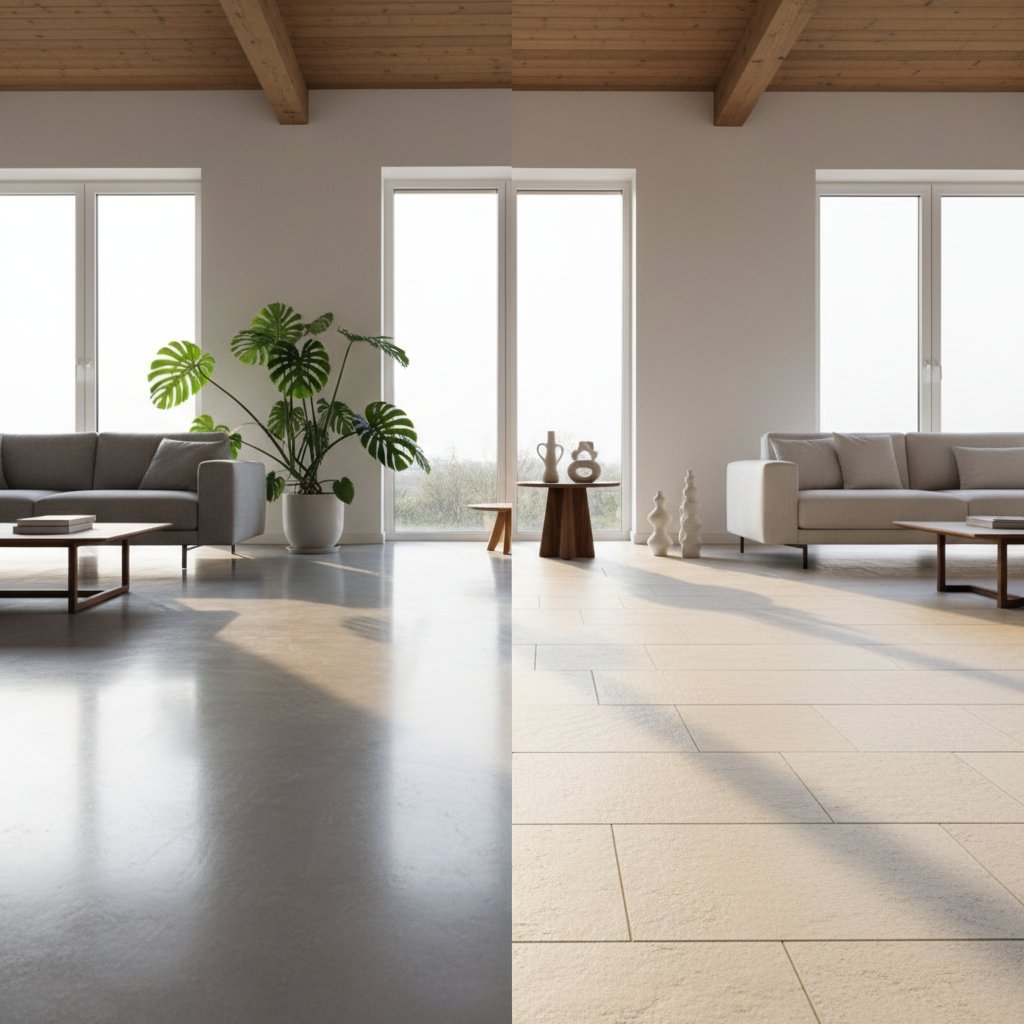
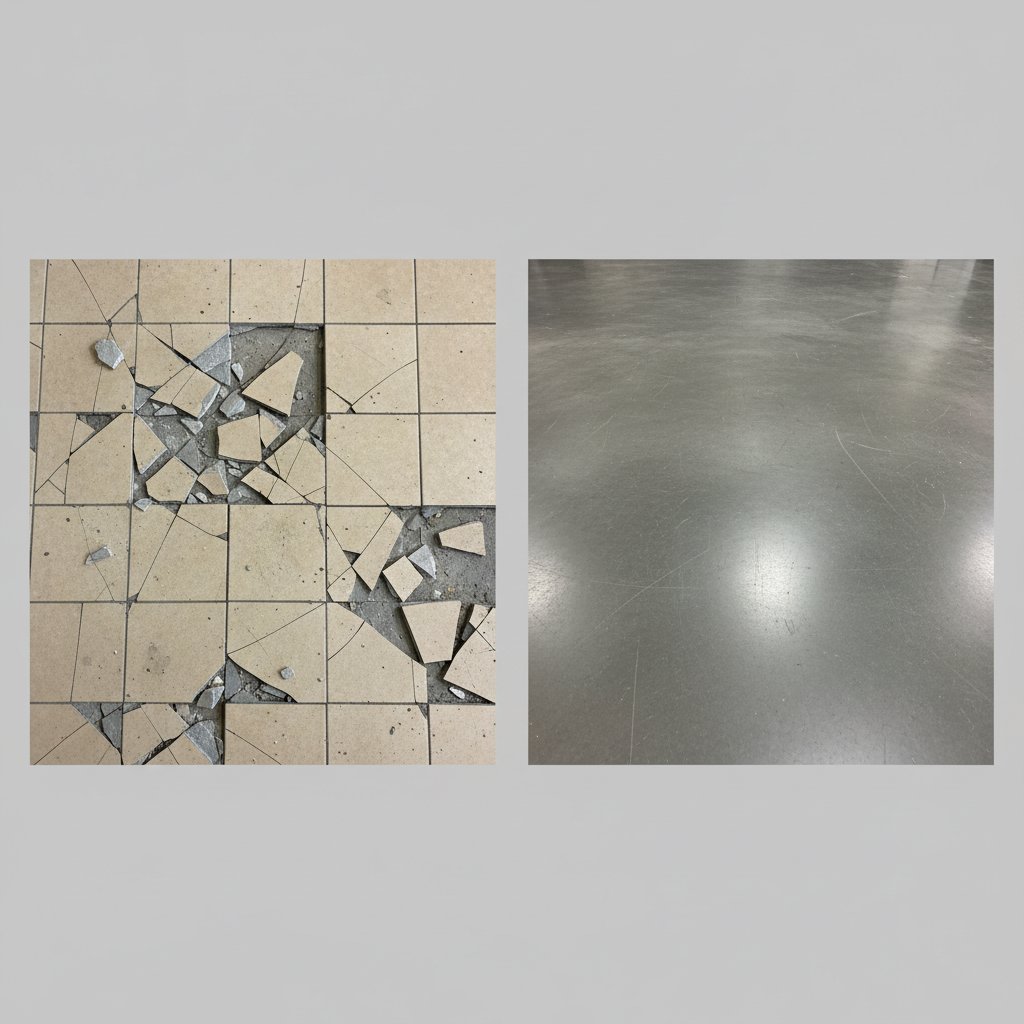
Choosing between polished concrete and traditional tiles for your ground floor requires understanding both materials' real-world performance. In Singapore's tropical climate, where humidity averages 84% and temperatures remain consistently warm, flooring decisions impact daily comfort and long-term maintenance costs. Polished concrete offers a seamless surface that resists moisture penetration, while ceramic or porcelain tiles provide proven durability with established installation methods. The initial investment differs significantly: concrete polishing typically costs S$45-75 per square meter for basic finishes, whereas quality tiles range from S$30-120 per square meter plus installation fees of S$25-40. Both options last 20-30 years with proper care, but maintenance requirements vary. Concrete needs resealing every 2-3 years at approximately S$8-12 per square meter, while tiles may require grout cleaning and occasional replacement of cracked pieces. Ground floor applications face unique challenges including potential moisture from soil, higher foot traffic, and direct access to outdoor elements. Understanding these factors helps homeowners select flooring that balances upfront costs with long-term value. This comparison examines durability testing results, actual project costs from Singapore contractors, and maintenance schedules based on local conditions rather than manufacturer claims.
We've transformed numerous ground floor spaces across Singapore with both polished concrete and tile installations. Each project showcases our commitment to quality workmanship and attention to detail.
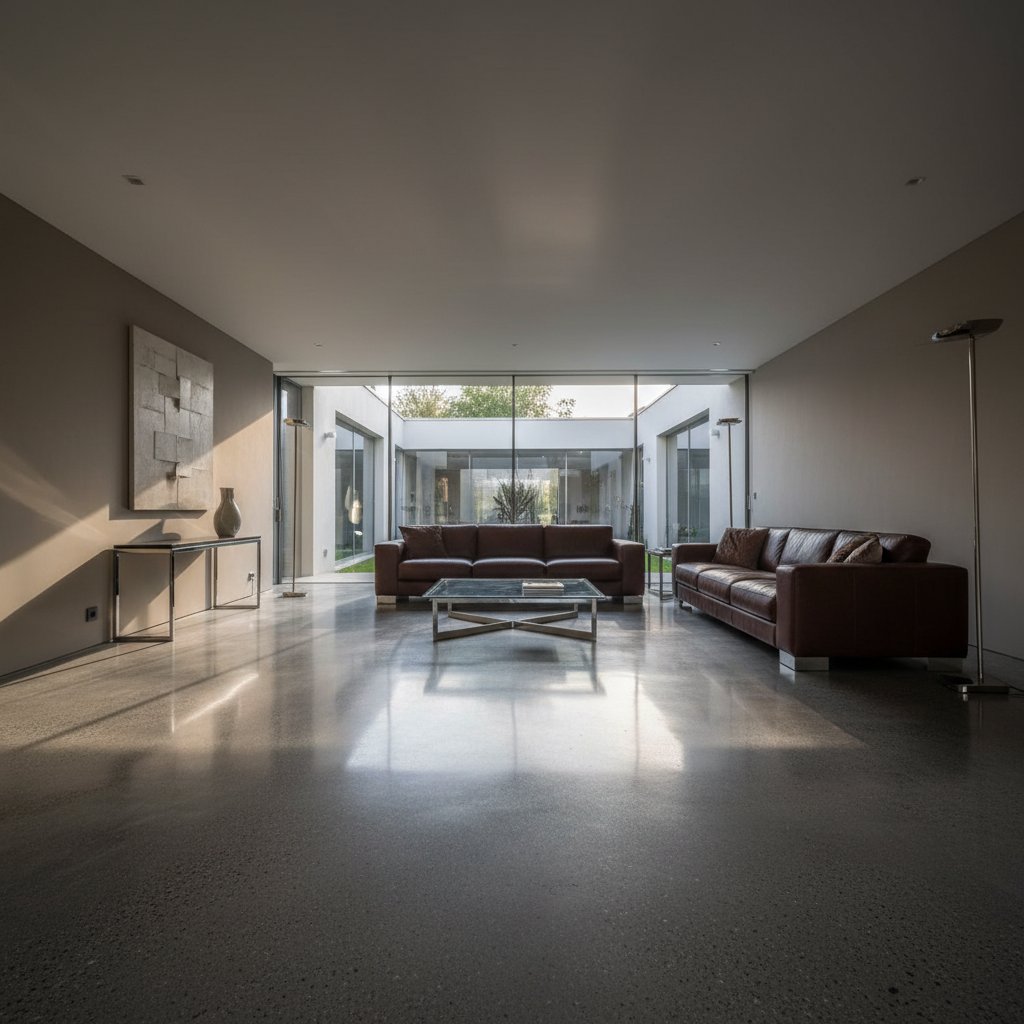
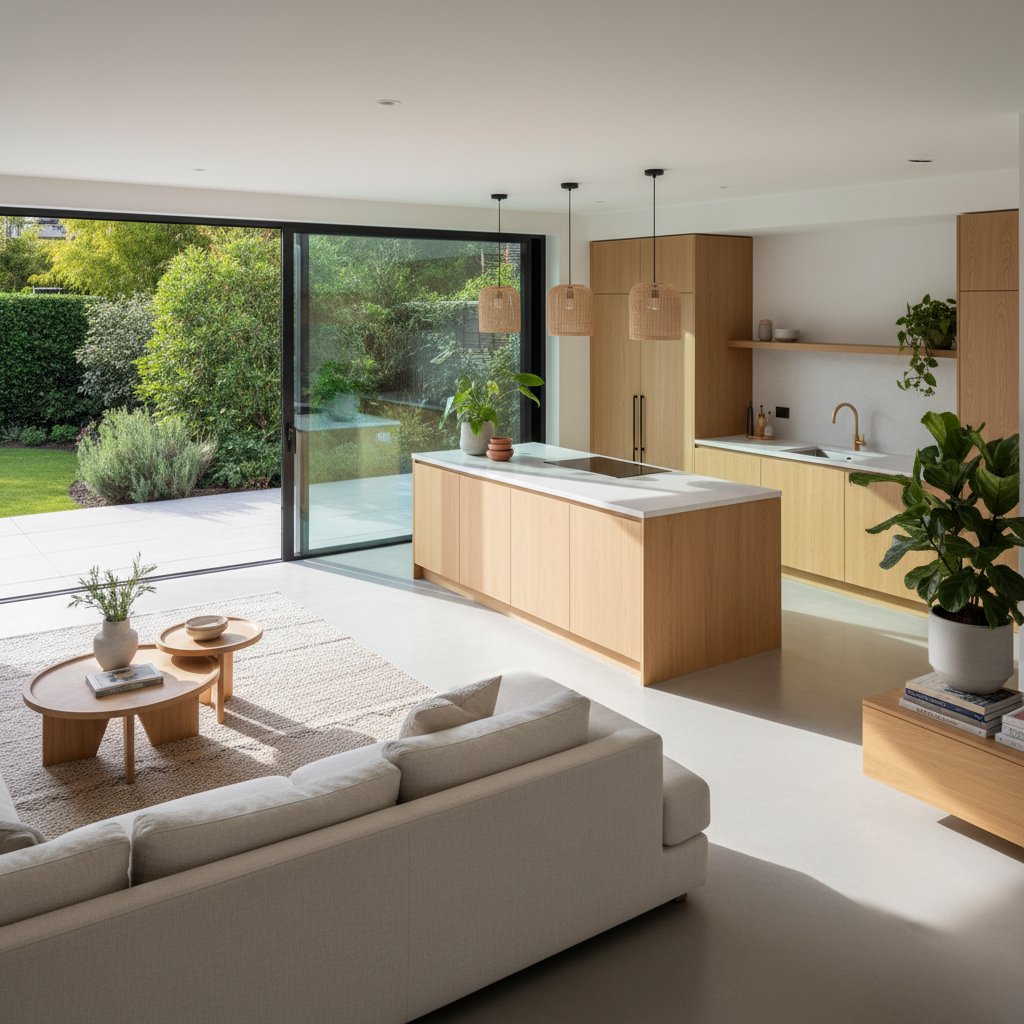
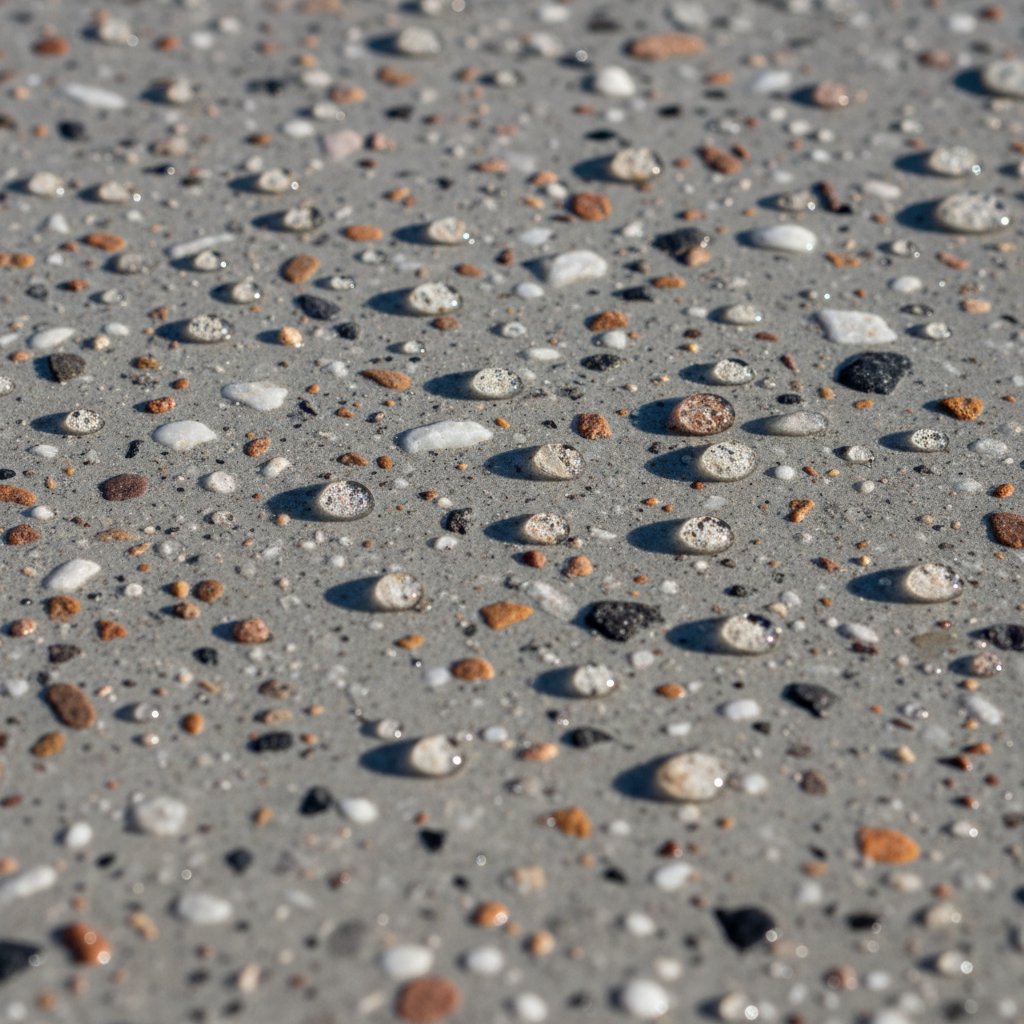
A 180 sqm ground floor renovation featuring mechanically polished concrete with aggregate exposure. The homeowners wanted a seamless, low-maintenance surface that would complement their minimalist interior design while providing excellent durability for high foot traffic areas.
View Details →
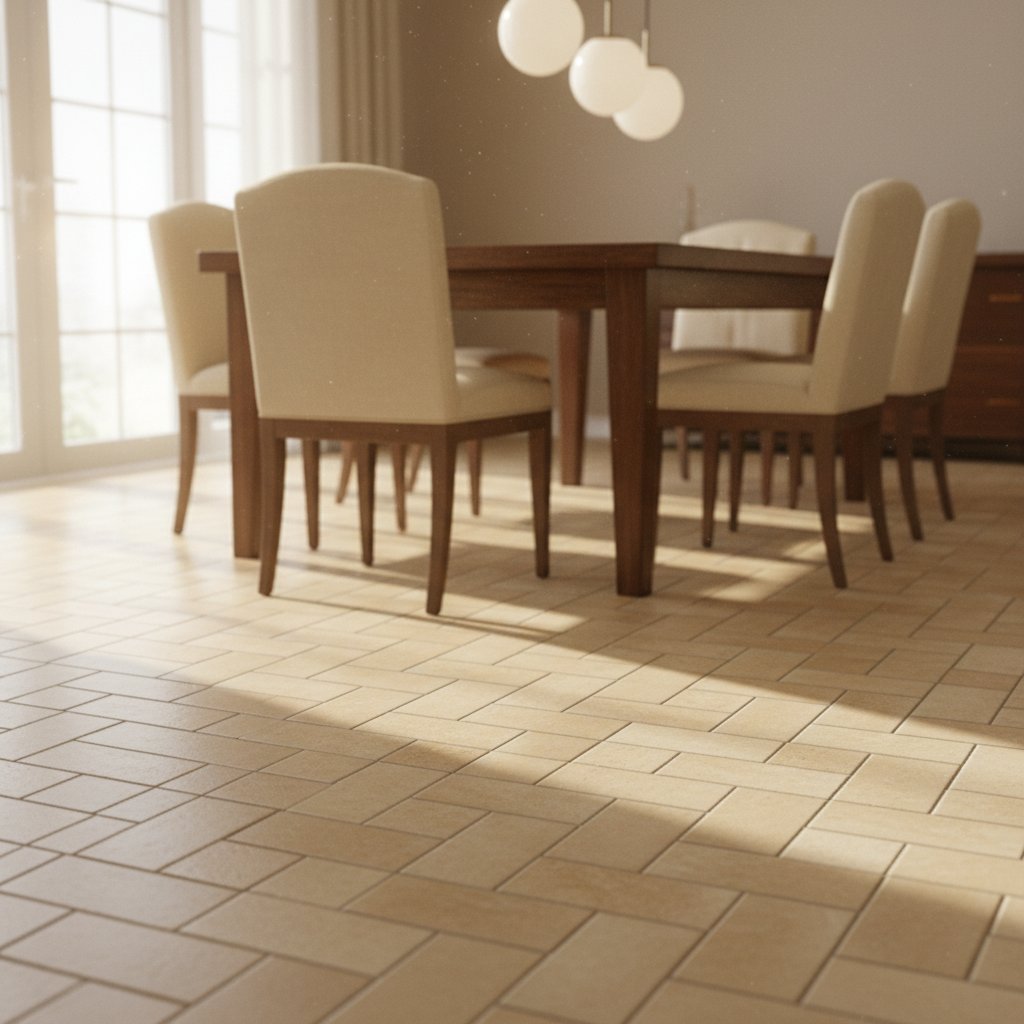
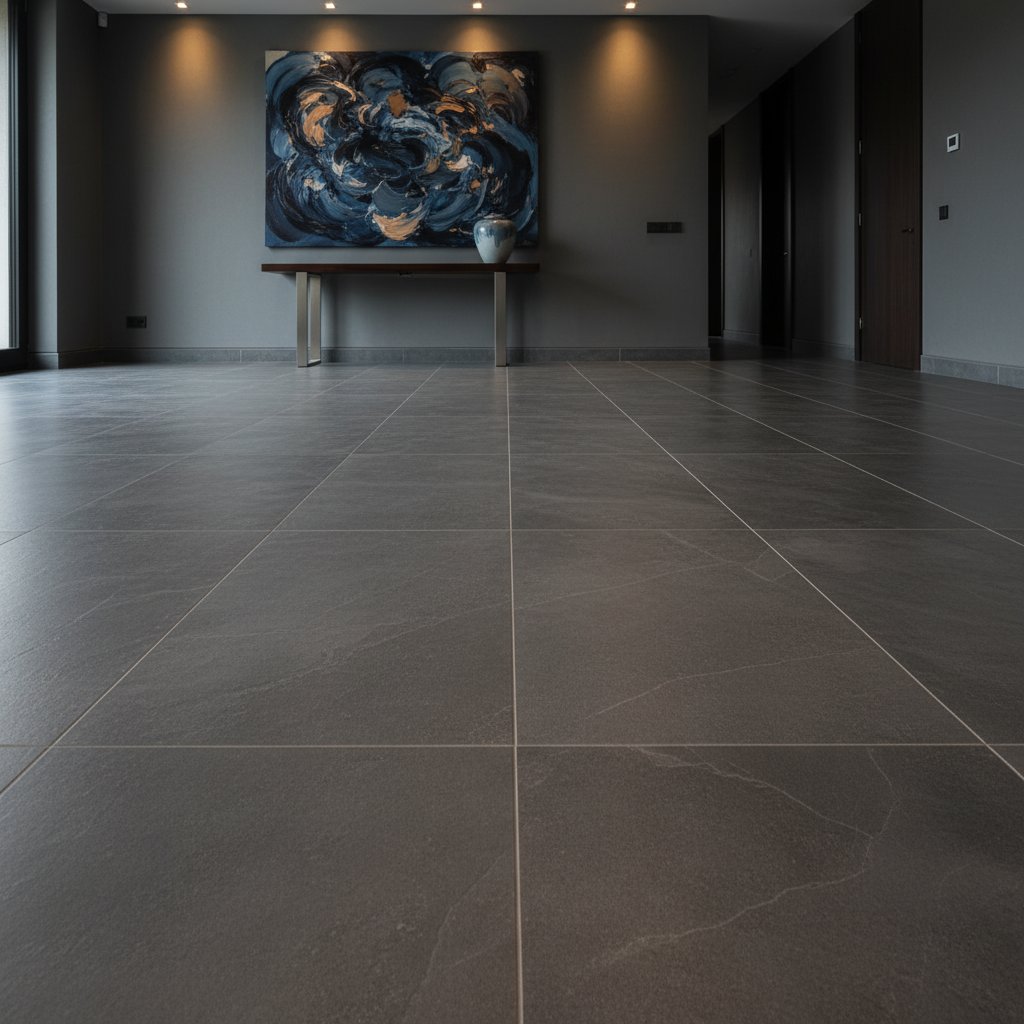
Complete ground floor tiling using 600x600mm porcelain tiles with anti-slip rating R11. This heritage shophouse required a balance between traditional aesthetics and modern performance standards. We installed rectified tiles with minimal grout lines for a contemporary look while maintaining the building's character.
View Details →
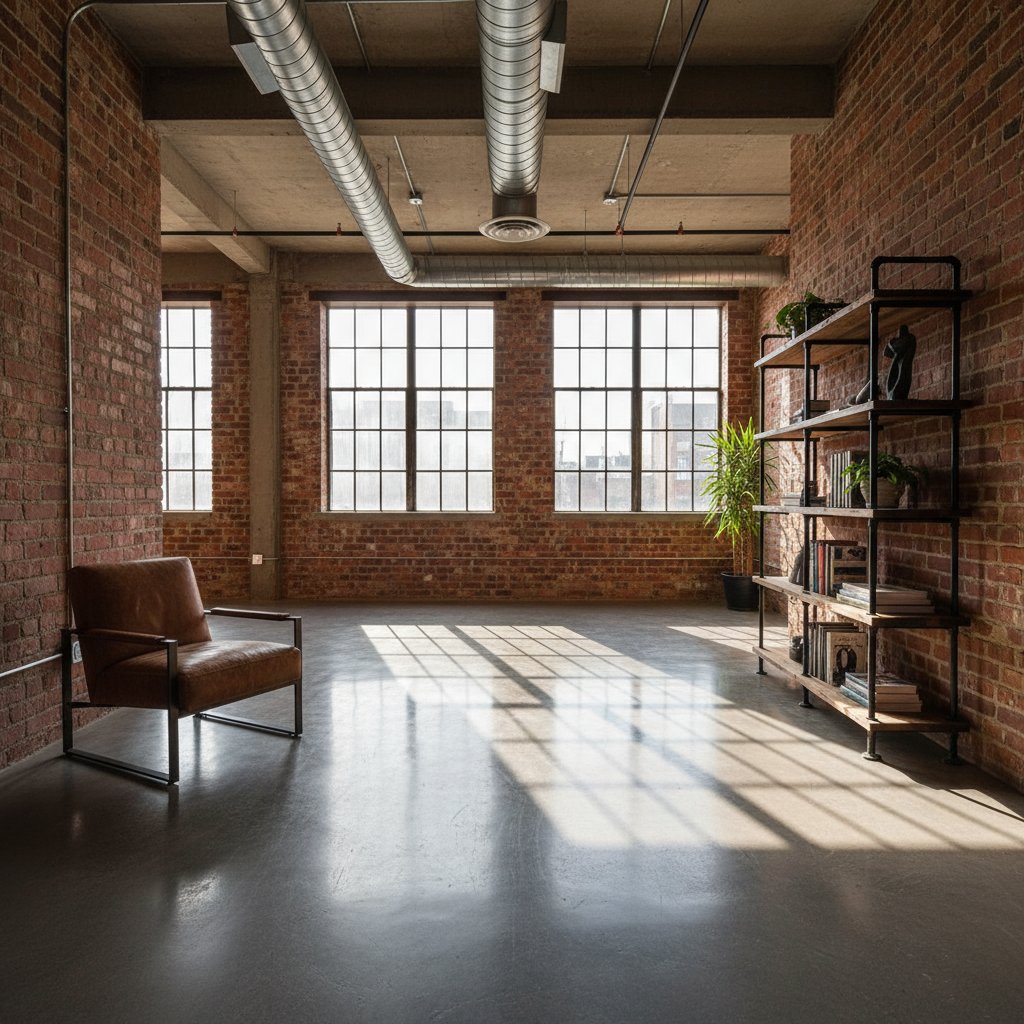
A 450 sqm warehouse floor treated with densifier and sealed with lithium silicate. The client needed a dust-proof, chemical-resistant surface capable of handling forklift traffic. We achieved a medium-gloss finish that reflects light effectively, improving workplace visibility and reducing lighting costs by approximately 15%.
View Details →
Kitchen and living area renovation using ceramic tiles with wood-effect finish. The family wanted the warmth of wood appearance with the practicality of tiles. We installed 200x1200mm planks with staggered layout, creating a natural wood floor look that's waterproof and easy to clean.
View Details →
A 280 sqm boutique combining polished concrete in the main display area with decorative tiles in the entrance zone. This approach created distinct zones while maintaining visual flow. The concrete provides durability for heavy traffic, while patterned tiles at the entrance add visual interest and brand identity.
View Details →
Luxury ground floor installation featuring polished concrete with custom scoring patterns and integral color. The 320 sqm project included outdoor patio areas with exposed aggregate finish for slip resistance. We used a two-tone color scheme to define different functional zones without physical barriers.
View Details →Transform your ground floor with our comprehensive flooring solution. This exclusive package includes professional consultation, detailed cost comparison between polished concrete and traditional tiles, material assessment for your specific space, and installation planning. We provide transparent pricing with no hidden fees, helping you make an informed decision that balances durability, aesthetics, and budget. Our specialists will evaluate your floor area and recommend the most suitable option based on your lifestyle and requirements.
On complete flooring consultation and planning service
Professional evaluation of your ground floor area with detailed measurements
Comprehensive comparison of material and installation costs for both options
Expert advice on finishes, colors, and textures to match your interior style
Detailed analysis of wear resistance and maintenance requirements for your choice
Realistic installation schedule with minimal disruption to your daily routine
Transparent pricing document with itemized costs and warranty information
Understanding the practical differences between concrete and tile flooring helps you make an informed decision for your Singapore home or commercial space.
Concrete floors can last 30-40 years with proper maintenance, while ceramic tiles typically serve 15-25 years before requiring replacement. The monolithic structure of concrete eliminates grout lines that weaken over time, reducing long-term maintenance needs in high-traffic areas.
In Singapore, ceramic tile installation ranges from SGD 15-35 per square foot including materials and labor. Polished concrete typically costs SGD 8-20 per square foot for basic finishes, though decorative options can reach SGD 25-40 depending on complexity and aggregate exposure levels.
Sealed concrete provides superior moisture barrier properties, particularly important in Singapore's humid climate. Traditional tiles depend on grout integrity, which can absorb moisture and harbor mold growth. Concrete's seamless surface eliminates these vulnerable points entirely.
Concrete floors withstand heavy impacts without cracking when properly installed with adequate substrate preparation. Individual tiles can crack or chip from dropped objects, requiring selective replacement. The compressive strength of concrete typically exceeds 3000 PSI after curing, compared to ceramic's 250-400 PSI rating.
Concrete's thermal mass helps regulate indoor temperatures, absorbing heat during the day and releasing it gradually. This characteristic reduces air conditioning costs in Singapore's tropical environment. Tiles offer less thermal storage capacity, though porcelain varieties provide moderate temperature stability.
Sealed concrete needs resealing every 2-3 years and regular cleaning with pH-neutral solutions. Tiled floors require grout cleaning, periodic regrouting every 5-8 years, and individual tile replacement when damaged. Daily maintenance for concrete involves simple sweeping and occasional damp mopping.
Concrete accepts various finishing techniques including acid staining, dye application, scoring patterns, and aggregate exposure. Tiles offer immediate pattern variety through size, color, and layout combinations. Both materials accommodate underfloor heating systems, though installation methods differ significantly.
Tile installation for a 100 square meter space typically takes 5-7 days including substrate preparation and grouting time. Concrete polishing requires 3-5 days for grinding, densifying, and sealing processes. However, concrete needs 28 days for complete curing before applying heavy loads or furniture.
Utilizing existing concrete slabs reduces material waste and embodied energy compared to installing new tile layers. Ceramic tile production requires high-temperature kiln firing, consuming significant energy. Concrete polishing generates dust that requires proper containment, while tile cutting produces ceramic waste requiring disposal.
Surface damage to concrete can be patched and repolished to blend with surrounding areas, though matching existing finishes requires skill. Damaged tiles need complete removal and replacement, with color matching challenges for discontinued products. Structural cracks in either material indicate underlying foundation issues requiring professional assessment.
Licensed Business
Data Protection Compliant
SSL/TLS Secured
Quality Guaranteed
Industry Standards Compliant
Professional Team
Your trusted partner in flooring solutions across Singapore
Cozypowerboard began operations in 2015 when a group of construction specialists recognized a gap in the Singapore market for honest, detailed guidance on ground floor flooring choices. Starting from a modest workshop in Geylang, we focused on helping homeowners and property developers understand the real differences between polished concrete and traditional tiles.
Our founders brought together 18 years of combined experience in commercial and residential flooring projects. What started as consultations for three HDB estates has grown into serving over 200 properties annually across Singapore, from Tampines to Jurong West.
We provide transparent information and practical installation services for ground floor spaces. Our approach centers on presenting factual comparisons between flooring options, backed by local climate data and real project outcomes from Singapore properties.
We share actual cost breakdowns, maintenance schedules, and durability data from completed projects. No hidden fees or vague estimates.
Our recommendations are based on substrate testing, humidity measurements, and load calculations specific to each property.
We understand Singapore's building codes, HDB regulations, and tropical climate challenges that affect flooring performance.
Our team includes 7 certified flooring installers and 2 material engineers. We've completed installations in residential units, retail spaces, and light industrial facilities. Each project adds to our database of performance metrics, which we use to refine our material selection process and installation techniques. We work with suppliers who meet Singapore's building material standards and provide documented product specifications for every installation.
Real experiences from homeowners who chose their ideal flooring solution
Explore our articles comparing different flooring options, maintenance tips, and cost analysis for ground floor installations in Singapore homes.
Proper maintenance extends the lifespan of polished concrete significantly. Daily sweeping removes abrasive particles that can dull the surface over time. For weekly cleaning, use a pH-neutral cleaner diluted in water—avoid acidic or harsh chemicals that damage the sealer. Resealing every 2-3 years maintains the protective layer and keeps the floor looking fresh.
Read More
Installation costs vary widely based on material choice and floor preparation. Ceramic tiles range from $45-$85 per square meter including labor, while polished concrete starts at $60-$120 per square meter. The initial investment for concrete is higher, but over 15 years, maintenance costs are 40% lower compared to tiles. Factor in replacement costs—tiles may need renewal after 10-12 years.
Read More
Independent testing reveals concrete floors withstand 25-30 years of heavy foot traffic without significant wear. Porcelain tiles last 15-20 years before grout deterioration and cracking become noticeable. Impact resistance differs too—dropped objects chip tiles but rarely damage properly finished concrete. In Singapore's humid climate, concrete resists moisture better than grouted tile joints, which can harbor mold.
Read MoreHave questions about flooring options for your ground floor? We provide detailed consultations on polished concrete and tile installations, helping you make the right choice for durability and budget.
15 Jalan Hajijah
Singapore 468759
Real numbers from 6 years of flooring installations across residential and commercial properties in Singapore
Get answers to common questions about flooring choices for ground floor spaces in Singapore
Polished concrete can last 20-30 years or more with proper maintenance, while ceramic tiles typically last 15-20 years. The longevity of concrete comes from its monolithic structure, which eliminates grout lines that can deteriorate over time. In Singapore's humid climate, this becomes particularly relevant as moisture cannot penetrate between joints.
Tiles may require replacement sooner if individual pieces crack or if grout deteriorates from constant exposure to humidity and cleaning. Concrete surfaces can be repolished to restore their appearance, extending their lifespan significantly. For ground floor applications where foot traffic is constant, concrete's durability provides better long-term value despite similar initial installation periods.
In Singapore, polished concrete installation typically ranges from S$45-85 per square meter, depending on the finish level and existing substrate condition. Traditional ceramic tiles cost S$35-70 per square meter for materials and installation, while premium porcelain tiles can reach S$80-150 per square meter.
However, concrete eliminates ongoing grout maintenance costs and replacement expenses that tiles incur. When calculating total ownership over 15 years, concrete often proves more economical. The initial investment difference narrows when considering that concrete requires no grout replacement, fewer repairs, and simpler cleaning routines. For ground floor spaces exceeding 100 square meters, the cost advantage of concrete becomes more pronounced due to reduced labor complexity and faster installation times.
Polished concrete performs exceptionally well in humid conditions because it has no grout lines where moisture and mold can accumulate. Singapore's average humidity of 84% makes grout maintenance challenging, as it absorbs moisture and becomes a breeding ground for mildew. Concrete's sealed surface repels water and prevents moisture penetration.
Tiles themselves resist humidity, but the grout joints require regular sealing and cleaning to prevent discoloration and mold growth. Ground floor spaces are particularly vulnerable to moisture rising from the substrate. Concrete's monolithic nature and proper sealing create an effective moisture barrier. The material also doesn't trap humidity between layers, reducing the risk of subsurface moisture problems that can cause tiles to lift or crack over time.
Polished concrete requires significantly less maintenance than tiles. Daily cleaning involves simple mopping with pH-neutral cleaners, and the surface needs resealing every 2-3 years. There are no grout lines to scrub, no individual pieces to replace, and no joints to reseal annually.
Tiled floors demand regular grout cleaning to prevent staining and mold, grout resealing every 6-12 months in humid environments, and occasional tile replacement when pieces crack. The labor involved in maintaining grout lines adds up over years. For commercial ground floor spaces or busy residential areas, concrete's maintenance simplicity translates to lower ongoing costs and less disruption. A 150 square meter ground floor space can save approximately 15-20 hours annually in maintenance time by choosing concrete over tiles.
Both materials can achieve appropriate slip resistance for ground floor applications, but the approach differs. Polished concrete can be finished to various levels, from high-gloss (which may be slippery when wet) to matte finishes with better traction. Adding a penetrating sealer with slip-resistant additives maintains the aesthetic while improving safety.
Tiles offer textured surfaces specifically designed for slip resistance, with ratings from R9 to R13. However, grout lines can become slippery when wet or worn smooth over time. For Singapore's climate where floors may be wet from rain or cleaning, both options can meet safety standards. Concrete provides more flexibility in adjusting slip resistance without changing the floor's appearance, while tiles require selecting the appropriate texture from the start. Ground floor entryways benefit from matte-finished concrete or R11-rated tiles for optimal safety.
Polished concrete installation on an existing concrete slab takes 3-5 days for grinding, polishing, and sealing a 100 square meter area. If pouring new concrete is required, add 7-10 days for curing before polishing begins. The process involves less material handling and creates minimal waste.
Tile installation for the same area typically takes 5-7 days, including substrate preparation, laying tiles, grouting, and final cleaning. The process requires careful planning for layout, cutting around obstacles, and ensuring level placement. Grout needs 24-48 hours to cure before the floor can be used. For ground floor renovations where minimizing downtime matters, concrete on existing slabs offers faster completion. However, both options require proper planning for furniture removal and space access during installation.
Repairing polished concrete involves grinding out damaged areas and repolishing, which costs S$25-40 per square meter for small sections. The challenge lies in matching the sheen level of surrounding areas, though skilled contractors can achieve seamless results. Deep cracks may require filling and repolishing, but the monolithic nature means repairs integrate well with existing surfaces.
Tile repairs require replacing individual pieces, which costs S$15-30 per tile including labor. The difficulty is finding matching tiles, especially if the original batch is discontinued. Color variations between old and new tiles can be noticeable. Replacing a single tile also risks damaging adjacent pieces during removal. For ground floor spaces with heavy furniture or equipment, concrete's ability to be spot-repaired without visible seams provides an advantage. Over a 15-year period, typical repair costs for concrete average 30-40% less than tiles in high-traffic areas.
Both materials stay naturally cool in Singapore's climate, which is beneficial for comfort. Polished concrete has higher thermal mass, meaning it absorbs and releases heat slowly, helping to stabilize indoor temperatures. This property can reduce air conditioning costs by 5-10% in ground floor spaces with good insulation.
Ceramic and porcelain tiles also remain cool to the touch and don't retain heat. The difference is minimal for comfort, but concrete's thermal mass provides slight energy efficiency advantages. In ground floor spaces with large windows or direct sun exposure, concrete's ability to moderate temperature swings becomes more noticeable. Both materials are significantly cooler than carpet or wood, making them suitable for tropical climates. The choice between them for thermal comfort depends more on the overall building design and insulation than the flooring material itself.
Our flooring specialists are ready to help you choose the best option for your ground floor space
Contact Us TodayWe provide comprehensive flooring services for residential and commercial spaces in Singapore, specializing in both concrete finishes and ceramic installations. Each solution is tailored to meet specific requirements for durability, maintenance, and budget considerations.
Surface preparation using industrial diamond grinders removes existing coatings and smooths uneven areas. Process includes dust extraction systems and multi-stage grinding with progressively finer grits. Suitable for preparing substrates before applying sealers or coatings. Creates uniform surface texture across 100-200 sqm areas in typical residential ground floors within two working days.
Minimum 50 sqm
Request QuoteMulti-stage polishing achieves 800-3000 grit finish with visible aggregate exposure. Treatment includes densifier application to harden surface and penetrating sealer for stain resistance. Produces reflective finish lasting 15-20 years with proper maintenance. Package covers preparation, grinding, polishing, and sealing for residential spaces. Includes two-year warranty against delamination or significant surface degradation issues.
Complete installation
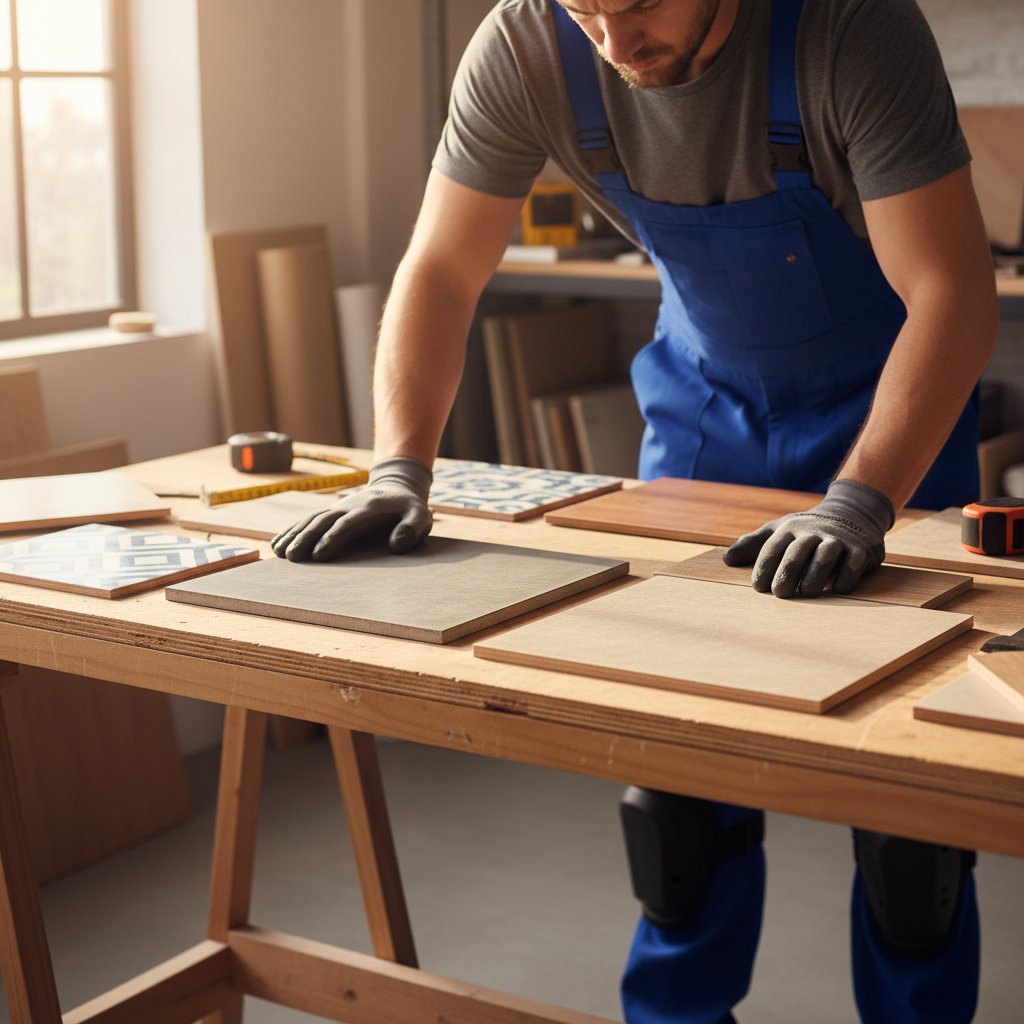
Request QuoteProfessional laying of 300x300mm to 600x600mm ceramic tiles using polymer-modified adhesive. Service includes substrate preparation, waterproofing membrane application, and precision leveling. Grouting with epoxy or cement-based products depending on location requirements. Standard installation covers living areas, kitchens, and utility spaces. Material wastage calculated at eight percent for cutting and edge finishing in typical layouts.
Labor only, tiles separate
Request QuoteComplete installation using imported porcelain tiles rated for residential traffic. Includes rectified edge tiles 600x600mm or 800x800mm, thin-set mortar application, and minimal grout lines. Surface preparation includes crack repair and self-leveling compound where needed. Tiles feature water absorption rate below 0.5 percent and breaking strength exceeding 1300N. Three-year installation warranty covers hollow sounds or loose tiles discovered during normal use.
Materials and labor included
Request QuoteApplication of penetrating silicate or siliconate sealers that chemically react with concrete. Treatment increases surface hardness by thirty percent and reduces water absorption. Two coats applied with 24-hour curing time between applications. Suitable for garage floors, patios, and utility areas requiring moisture resistance. Does not create surface film that can peel or yellow over time like topical coatings.
Two-coat application
Request QuoteAcid or water-based stains create variegated color effects on prepared concrete surfaces. Process involves multiple applications to achieve desired depth and pattern variation. Available in earth tones, grays, and custom color blends. Surface must be properly cleaned and neutralized before sealing. Creates unique appearance where no two installations look identical due to concrete porosity variations and application techniques employed.
Staining and sealing
Request QuoteCorrection of uneven concrete surfaces using self-leveling compounds or repair mortars. Treatment addresses cracks, spalling, and surface depressions before finishing installation. Includes crack routing, cleaning, and filling with epoxy or polyurethane materials. Large voids filled with polymer-modified cement requiring 72-hour cure time. Essential preparation step for achieving professional results with either concrete finishing or tile installation projects.
Materials included
Request QuoteApplication of chemical etchants or mechanical texturing to increase surface friction coefficient. Treatment suitable for both concrete and ceramic surfaces in wet areas like bathrooms and outdoor spaces. Testing confirms coefficient of friction meets safety standards above 0.6 for pedestrian traffic. Does not significantly alter surface appearance while providing measurable slip resistance. Results typically last three to five years depending on traffic and cleaning methods.
Single application
Request QuoteComprehensive renewal of worn concrete or tile surfaces including deep cleaning, repair, and refinishing. Concrete restoration involves grinding away damaged surface layer and repolishing to original specification. Tile restoration includes grout removal, replacement, and professional cleaning with rotary machines. Package addresses accumulated wear patterns, staining, and minor damage from years of use. Typical restoration extends floor lifespan by additional ten years.
Complete restoration
Request QuoteInstallation of liquid or sheet waterproofing systems beneath tile installations in wet areas. Two-component polyurethane or acrylic membranes applied to substrate with reinforcement fabric at corners and joints. System tested to withstand hydrostatic pressure and prevent water migration to structural elements. Critical for bathrooms, kitchens, and balconies in Singapore climate with heavy rainfall. Membrane coverage extends 150mm up walls at perimeter.
Labor and materials
Request QuoteTwo-part epoxy resin application creating durable, chemical-resistant surface over concrete substrates. System includes primer coat, base coat, and clear topcoat for total thickness of 300-500 microns. Available in solid colors or decorative flake broadcast patterns. Suitable for garage floors, workshops, and commercial spaces requiring easy cleaning and chemical resistance. Properly applied system lasts eight to twelve years under normal residential conditions.
Three-coat system
Request QuoteThin polymer-modified cement overlay applied at 3-6mm thickness over existing concrete or tile surfaces. Material bonds mechanically and chemically to substrate without requiring removal of existing flooring. Can be troweled smooth, textured, or stamped with patterns. Available in integral colors or can be stained after installation. Provides cost-effective surface renewal without demolition waste or structural loading concerns in apartments.
Overlay and sealing
Request QuoteInstallation of control joints and crack isolation membranes to manage concrete movement from temperature fluctuations. Service includes saw-cutting joints at specified intervals and filling with flexible polyurethane sealants. Particularly relevant for ground floor slabs exposed to Singapore temperature variations and moisture cycling. Proper joint placement reduces random cracking by sixty percent according to industry studies. Essential for large open-plan areas exceeding thirty square meters.
Joint cutting and sealing
Request QuoteProfessional cleaning of tile grout lines using alkaline cleaners and rotary brushing equipment removes accumulated dirt and mild staining. Service includes application of penetrating grout sealer to reduce future staining and simplify maintenance. Particularly effective for light-colored grout in kitchen and bathroom installations. Sealer reapplication recommended every two years for optimal protection. Process does not alter grout color but enhances uniformity and cleanliness.
Per bathroom/kitchen
Request QuoteComprehensive evaluation of existing concrete or tile flooring including moisture testing, bond testing, and surface profile measurement. Report documents current condition, identifies problem areas, and recommends appropriate treatment options. Assessment includes rebound hammer testing for concrete strength and infrared inspection for delamination detection. Service provides homeowners with objective information for making informed decisions about repair versus replacement. Detailed report with photographs and measurements.
Full inspection report
Request QuoteThe information presented on this website regarding flooring options is provided "as is" and reflects our knowledge at the time of publication. While we strive to maintain accurate and current information about polished concrete and traditional tiles, specifications, pricing, and material characteristics may change without prior notice. Cozypowerboard recommends consulting with qualified flooring professionals before making decisions about your ground floor installation. We do not assume liability for the accuracy, completeness, or timeliness of the information provided. Property owners should verify all technical details, cost estimates, and durability claims with licensed contractors familiar with Singapore building standards and local conditions before proceeding with any flooring project.